Technical journal
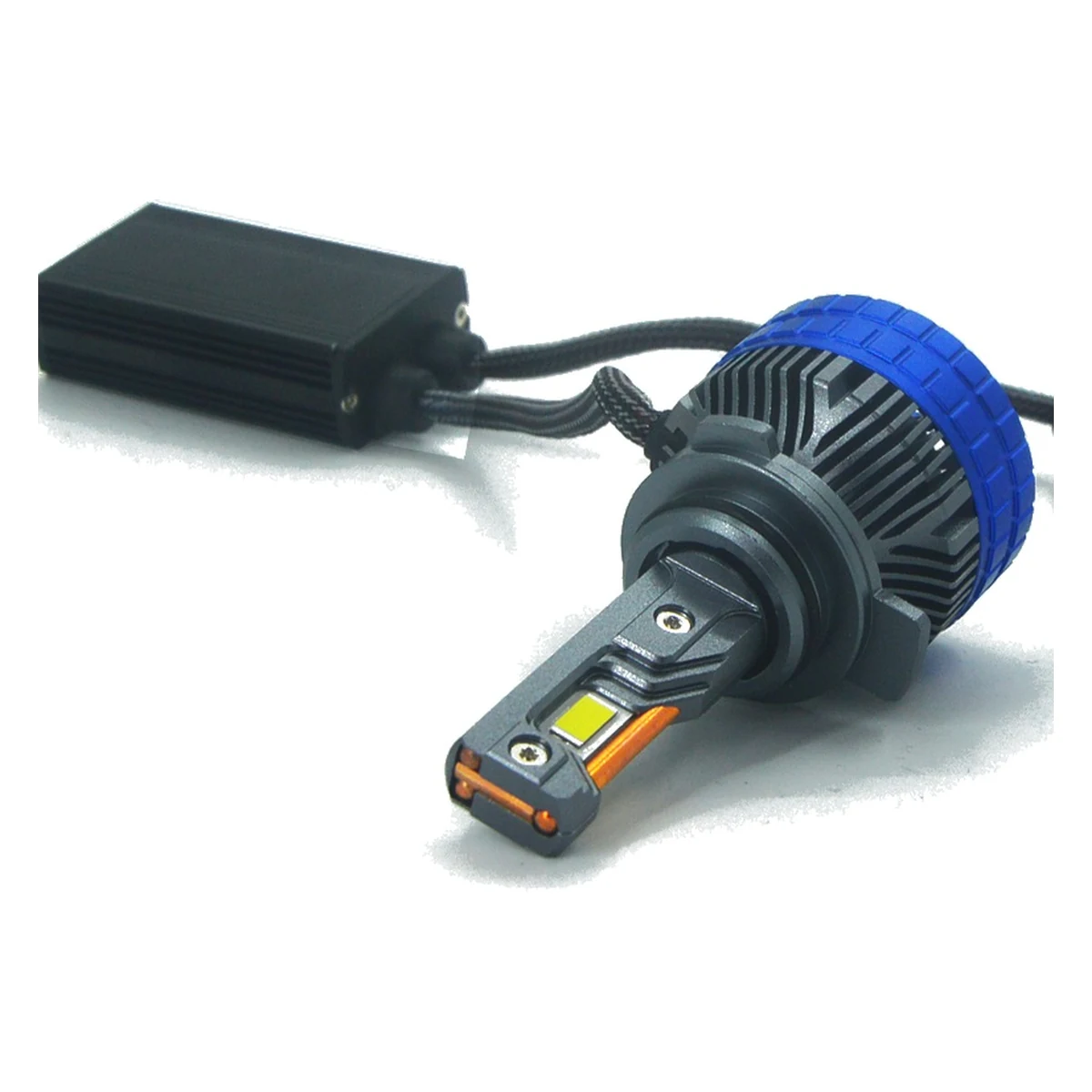
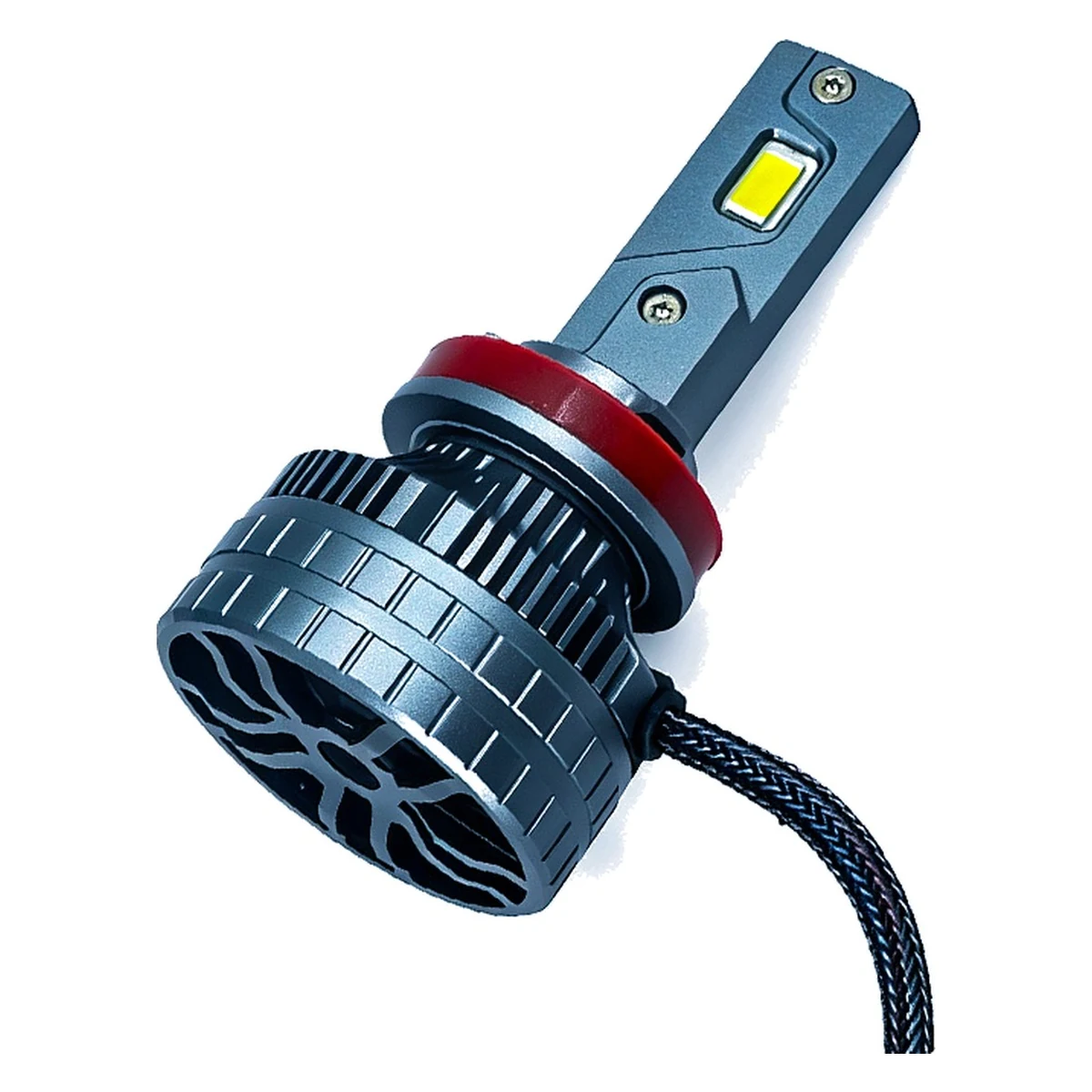
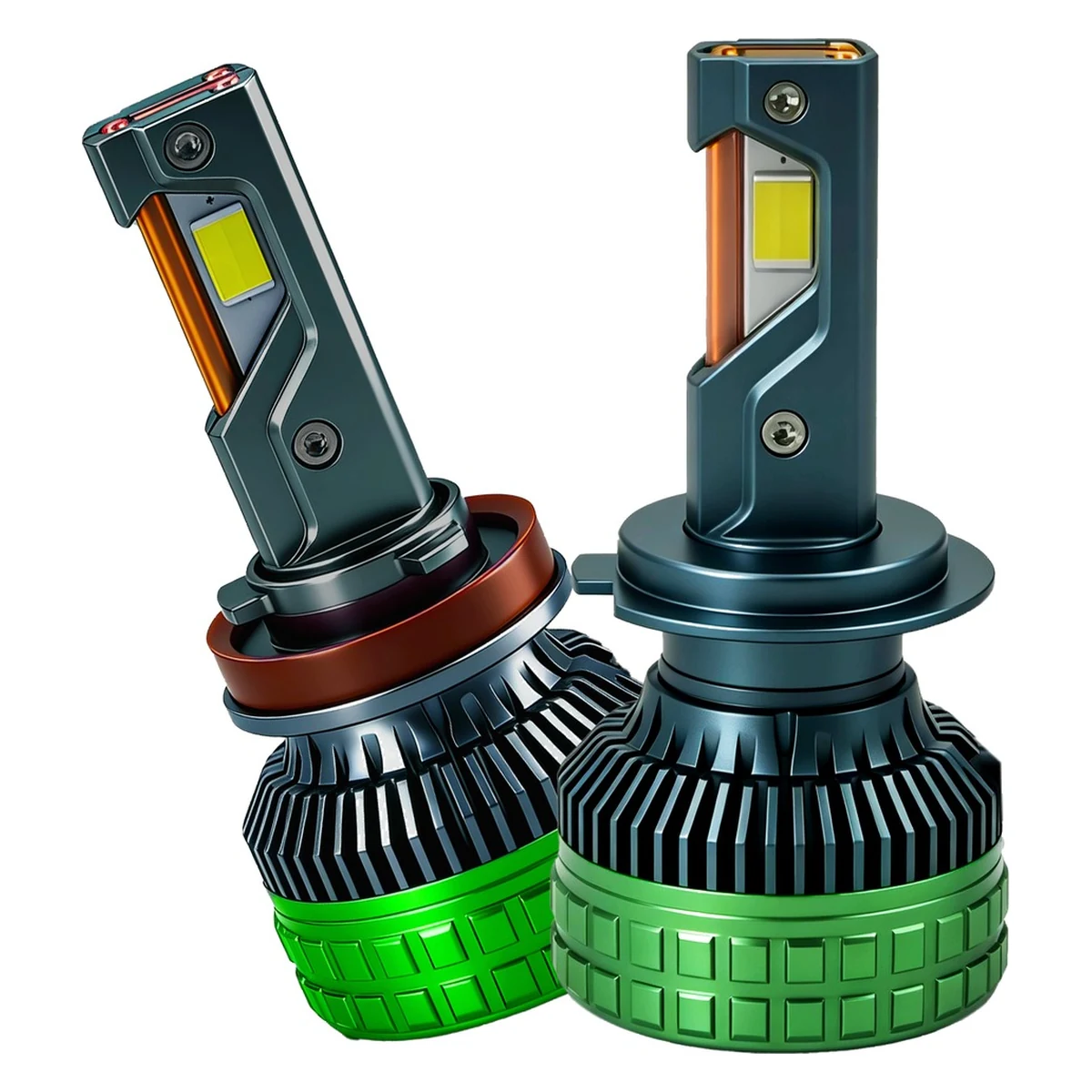
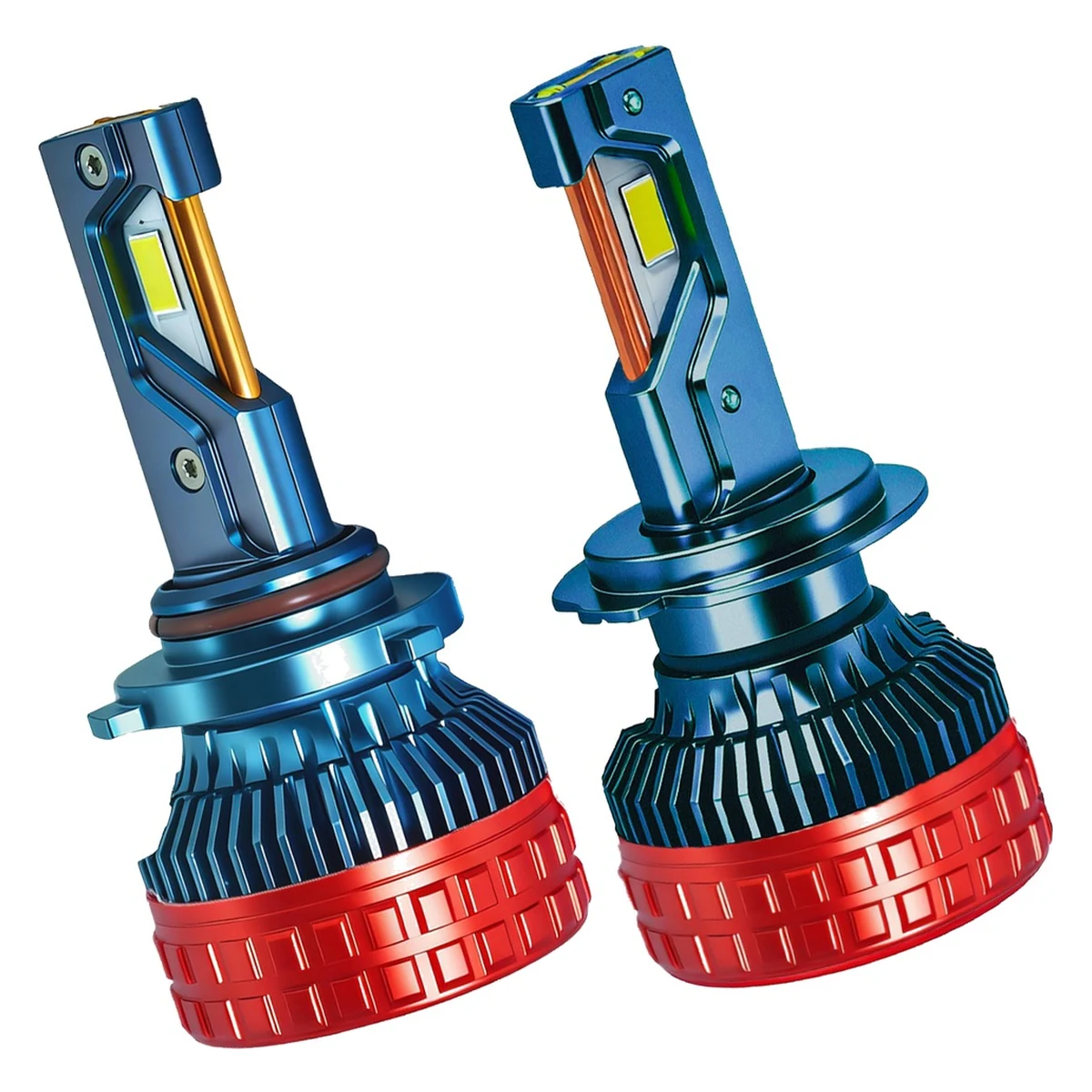
Most retrofit returns are fitment errors that a ten-second look at the old bulb would have caught. Here is how the eleven fittings we build actually differ, and which ones share a body so a mixed carton stays simple.
A high-output bulb in the wrong reflector is worse than a modest one in the right one — the housing was designed around a filament at a fixed point, and moving the light source moves the cut-off. Fitment is the first thing to verify, before wattage, colour temperature or price.
| Base family | Fittings | What to check |
|---|---|---|
| H-series single filament | H1, H3, H7, H11/H8/H9 | Locating tab and keyway; H8 and H9 share the H11 base but differ in plug keying |
| H-series dual filament | H4 | Three tabs, clocked collar — a rotated collar kills the cut-off |
| US and Japanese | 9005, 9006, 9012, D2H | 9005 (HB3) and 9006 (HB4) look alike but are keyed differently; D2H is the HID-replacement base |
Nine of our eleven fittings share a body and collar; only H4 and D2H need a different base. For a distributor that is the difference between stocking eleven part numbers with eleven spare-part boxes and stocking one family with two exceptions. It also means a mixed master carton can be assembled without opening eleven production runs.
Send your fitting list and market; we return which SKUs cover it, which base costs more, and a mixed-carton plan.
Request a quoteMechanically on many housings yes, but the plug keying differs. Use a bulb supplied with both connector tails, or change the harness connector.
D2H was designed to fit HID projector bases. It is not interchangeable with a halogen H7 or H11 socket — verify the base before quoting it.