Technical journal
"Error-free" is the most oversold phrase in retrofit lighting. It is not a property of the bulb — it is the bulb plus the vehicle's detection strategy. Here is how to tell which strategy you are up against, and what a built-in decoder actually covers.
Bulb-out detection is not one system. Some vehicles measure steady-state current, some pulse the circuit briefly at ignition (cold check), and some use PWM to dim a bulb that is nominally on. A kit that defeats the first can still trip the second and flicker under the third.
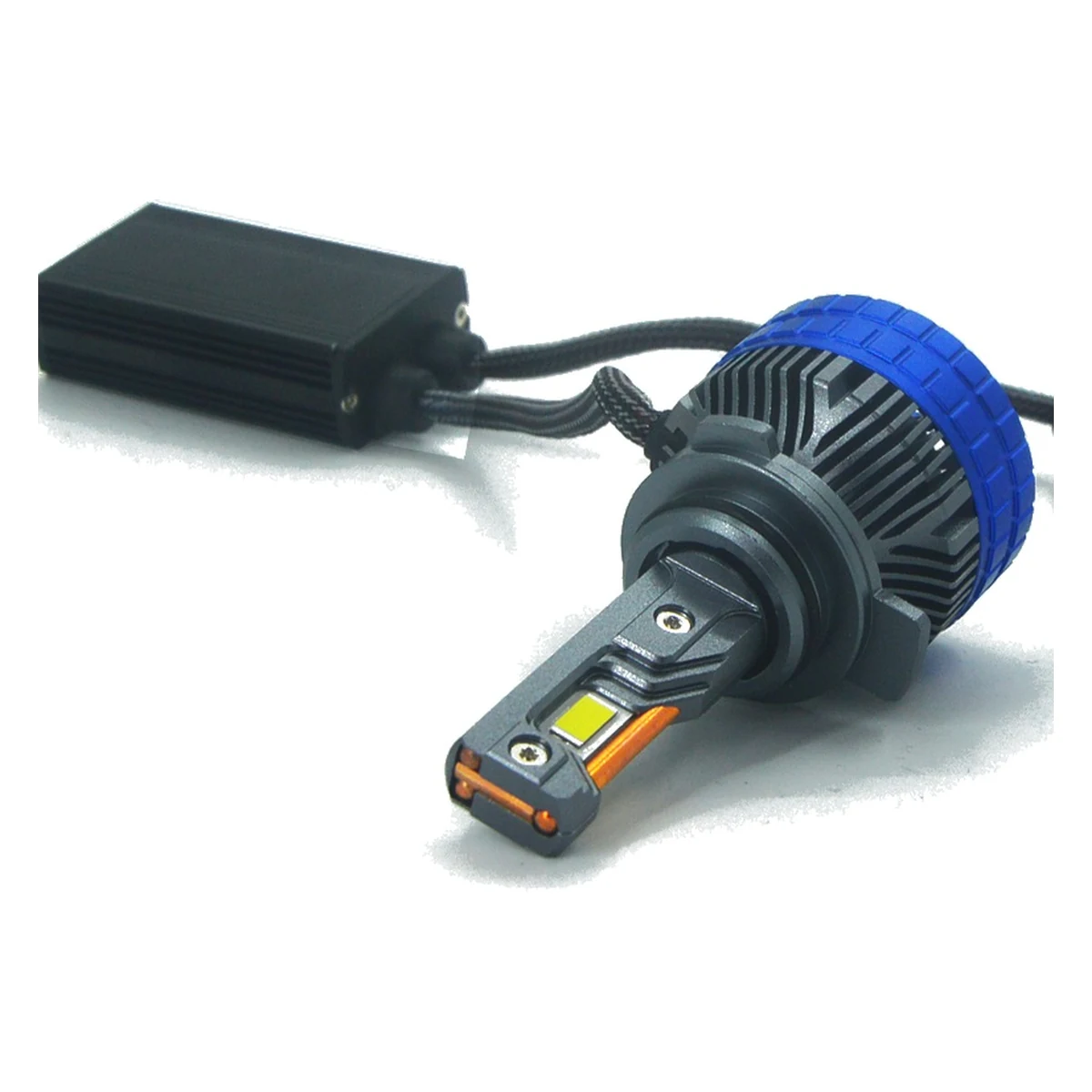
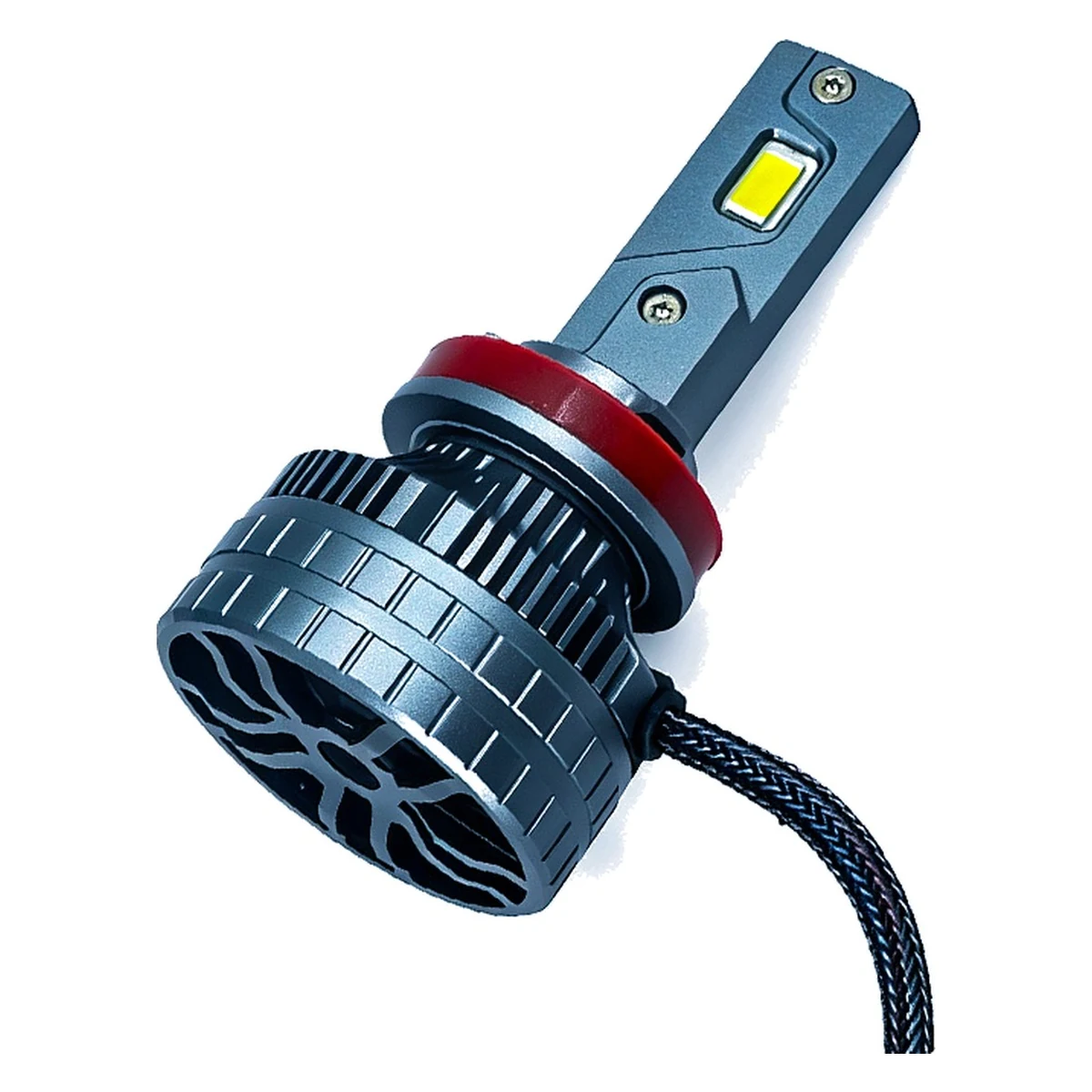
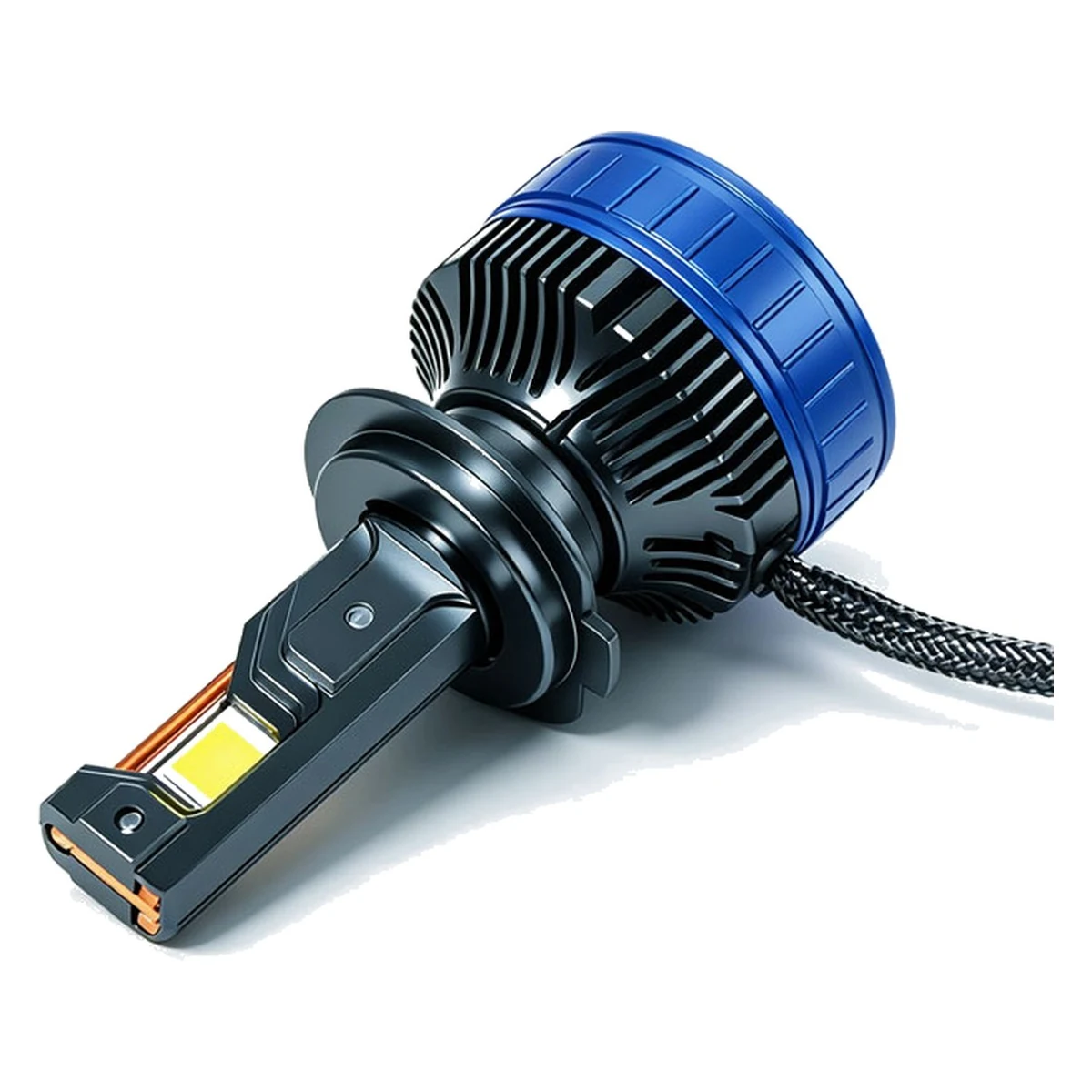
Our N-series carries the decoder inside the driver, so there is no separate harness to lose and no resistor to melt into a plastic fender. It reports success to the ECU and smooths the supply so PWM flicker is suppressed. It covers most modern cars; it does not cover every platform, and any supplier who claims otherwise has not tested.
| Approach | Fixes cold check | Fixes flicker | Downside |
|---|---|---|---|
| Built-in decoder (ours) | Yes | Yes, with smoothing | Needs the right firmware per platform |
| External resistor | Usually | No | 25–50 W of heat, melts trim if badly mounted |
| Nothing | No | No | Warning light, customer return |
Mercedes Sprinter and Vito, BMW F-series with factory LED headlights, and recent Stellantis vans generate the most tickets regardless of kit quality. Quote the load module as mandatory for those rather than optional — it is cheaper than the return freight.
Tell us the five vehicles your customers actually drive; we return the combination that clears the dashboard on each.
Request a quoteRarely. Most bikes use a relay or direct switch without current sensing, so a plain LED bulb is usually enough.
Not if it is rated for continuous duty and mounted to metal. A 50 W ceramic resistor bolted to a plastic inner fender will deform it.